Sensory Memory Activities in Dementia Care
When a loved one is living with memory loss, moments of connection can feel both precious and rare. But sometimes, those moments arise not through words but through the familiar scent of cinnamon, the feel of soft fur, or the sound of a favorite song. At Sweetbriar Villa in Springfield, Oregon, we use sensory activities for memory care to spark comfort, recognition, and emotional wellbeing in personal and joyful ways.
Why Sensory Stimulation Matters in Memory Care
Memory and the senses are deeply intertwined. According to neuroscience research, sensory cues, particularly scent and sound, are directly connected to parts of the brain responsible for long-term memory and emotion. This is why someone living with dementia might forget a name but instantly smile at the smell of baking cookies or the sound of a 1950s melody.
Sensory stimulation for seniors offers more than just comfort. Studies show it can reduce agitation, improve mood, and promote attention and focus in people with dementia or Alzheimer’s disease. For many, it’s a nonverbal pathway to feeling calm, safe, and connected.
Common Benefits of Sensory-Based Memory Activities
At Sweetbriar Villa, we’ve seen firsthand how memory-boosting activities for dementia can provide a sense of calm and belonging. Benefits of sensory stimulation include:
- Reduced anxiety or restlessness
- Increased cognitive engagement
- Opportunities for meaningful nonverbal interaction
- Preservation of long-term memories is tied to familiar sensations
Even in advanced stages of memory loss, sensory activities can help residents feel more present and less isolated.
Sensory Activities Used at Sweetbriar Villa
We incorporate sensory stimulation into daily life at Sweetbriar Villa, blending Alzheimer’s sensory activities with gentle routines that support comfort and dignity.
Touch-Based Activities
- Fidget blankets with varied textures like zippers, buttons, and soft fabrics
- Sensory bins filled with beans, rice, or themed items (e.g., seashells, seasonal décor)
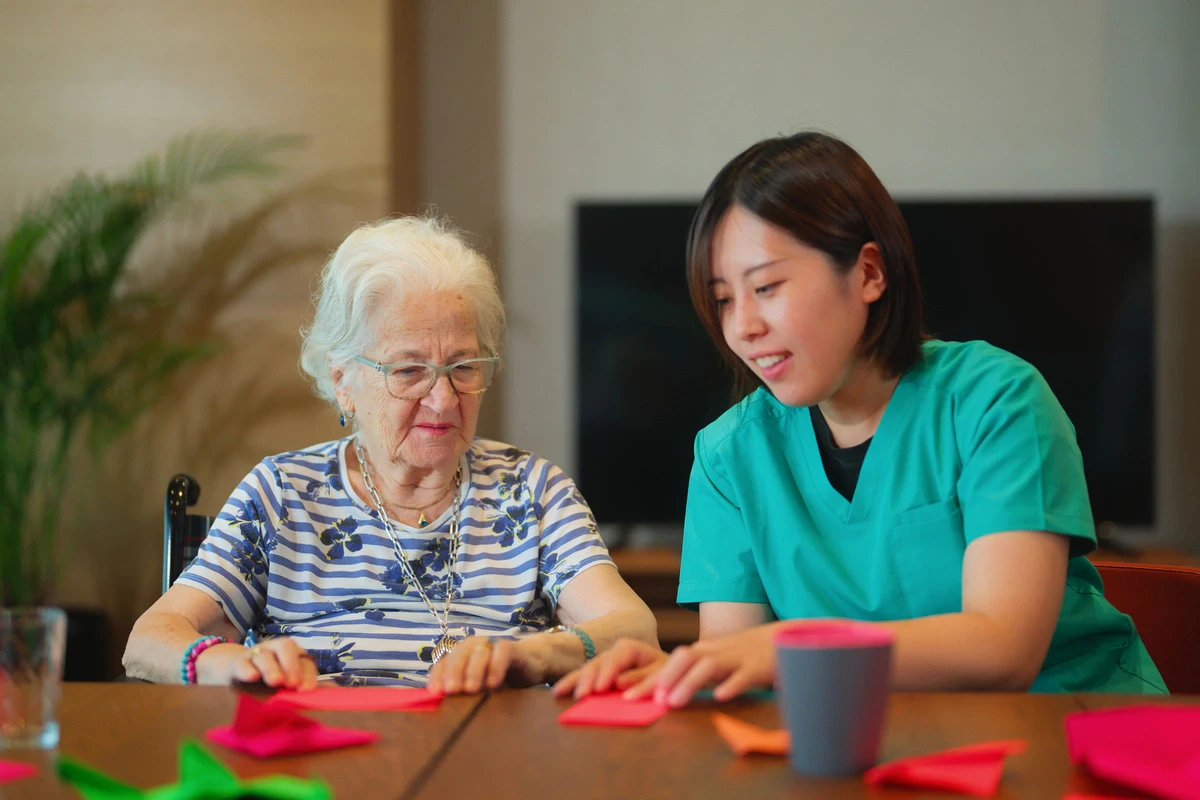
- Tactile chores like folding towels or handling familiar objects
- Pet therapy with real or lifelike stuffed animals for soothing contact
Sound and Music
- Familiar music playlists curated from residents’ life decades
- Singing along or clapping to classic hits
- Nature sounds like birdsong or rainfall for relaxation
- Instruments or rhythm games for light engagement
Music, in particular, has a powerful effect on the brain and can spark memories even when verbal abilities decline.
Scent and Smell
- Aromatherapy with calming scents such as lavender or rosemary
- “Smell and tell” games with coffee beans, citrus, or holiday spices
- Familiar seasonal scents like pine or cinnamon evoke specific life memories
Visual Stimulation
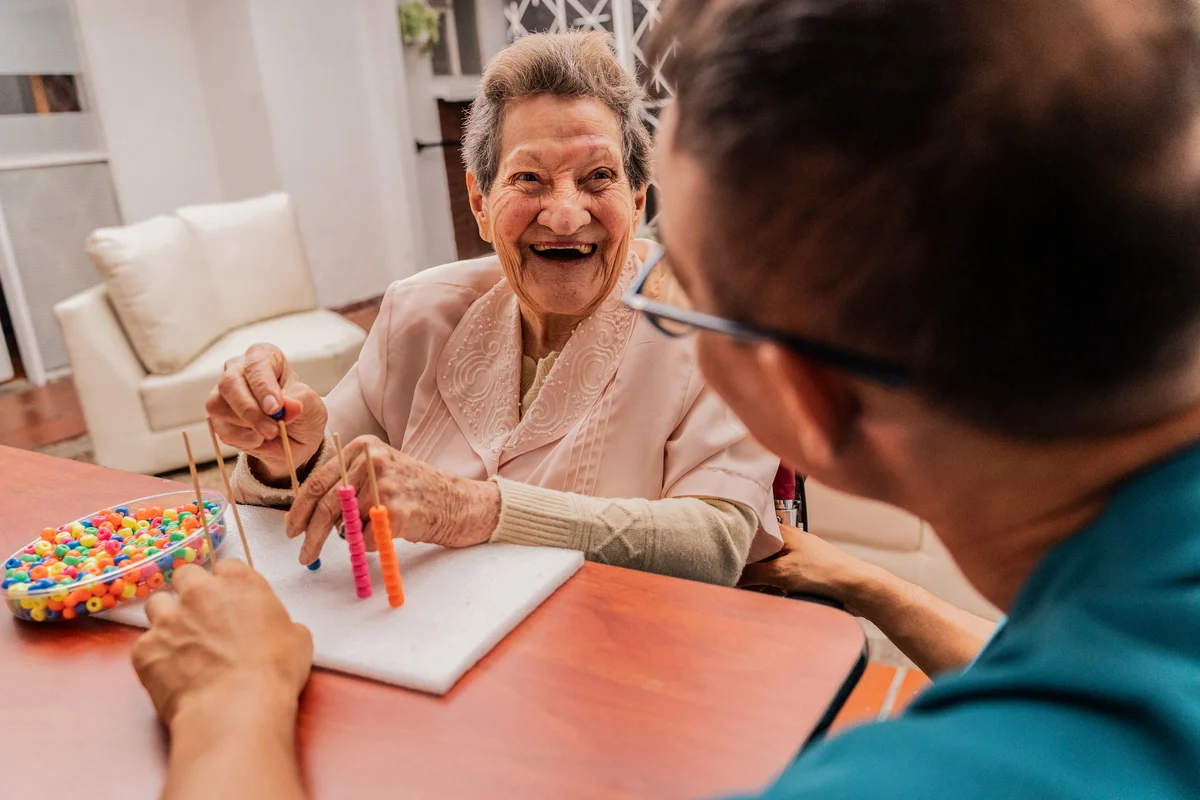
- Puzzles, matching games, and color-sorting activities
- Seasonal decorations or memory boards tailored to personal history
- Photo albums or digital frames that prompt conversation and connection
Taste (Supervised and Safe)
- Interactive baking or preparing familiar snacks together
- Flavor activities like sampling fruits, popsicles, or lemonade
- These experiences often combine smell, touch, and taste, making them especially effective
How We Customize Sensory Activities for Each Resident
Not every activity is right for every resident. At Sweetbriar Villa, we personalize each experience by:
- Learning personal history, cultural background, and sensory preferences
- Offering 1:1 or small group sessions based on comfort level
- Adapting intensity and duration to meet individual abilities
- Encouraging staff-family communication to refine approaches
This helps us ensure that dementia sensory therapy is both safe and meaningful.
How Sensory Programs Support Families Too
When a loved one is living with dementia, it’s easy to feel helpless. However, sensory activities create small windows of connection that can deeply affirm families.
At Sweetbriar Villa, we invite families to:
- Contribute music playlists or photo memories
- Help create memory boxes with meaningful items
- Observe or participate in sensory engagement sessions
For many families, seeing a loved one light up at a familiar song or engage in a small task brings emotional relief—and reminds them of the person they know and love.
Explore Memory Care with a Sensory Focus in Springfield, OR
At Sweetbriar Villa, Memory Care isn’t just about safety; it’s about connection. Through thoughtful sensory activities, we help residents feel more at ease, more understood, and more themselves.
Every scent, sound, and texture is chosen with intention, because even a small moment can carry a significant meaning.
Want to see how sensory-based memory care works in Sweetbriar Villa?
Contact us to schedule a visit or ask questions about our senior living programs in Springfield, Oregon.
FAQs
1. What are sensory activities in memory care?
They are experiences that engage the senses (touch, smell, sight, sound, and taste) to support cognition and emotional wellbeing in individuals with memory loss.
2. How do these activities help with dementia or Alzheimer’s?
They stimulate parts of the brain tied to long-term memory and emotion, often helping with mood regulation, attention, and familiarity.
3. Are sensory programs safe for all stages of memory loss?
Yes, when tailored appropriately. Activities are adjusted for cognitive ability, comfort, and safety at every stage.
4. Can family members participate in sensory engagement?
Absolutely. We encourage family members to contribute to playlists and memory boxes and even participate in activities when possible.